Gas pipes inside heating, ventilation, and air‑conditioning (HVAC) systems do quiet work every day—moving fuel from the meter to the burner without fuss or flame. When they stay healthy, your furnace or boiler hums along and your living space stays warm. Yet small stresses add up: a loose fitting here, a corroded elbow there, a gasket that dries out in summer heat. Over time, those minor flaws invite leaks, low burner output, or even dangerous gas buildup. Understanding how pipes wear out helps homeowners spot warning signs early, budget for timely repairs, and avoid sudden shutdowns during a cold snap. The sections below break down the seven most common causes of gas pipe damage, each packed with plain‑language tips you can use right away.
Improper Installation Stress on Residential Gas Lines
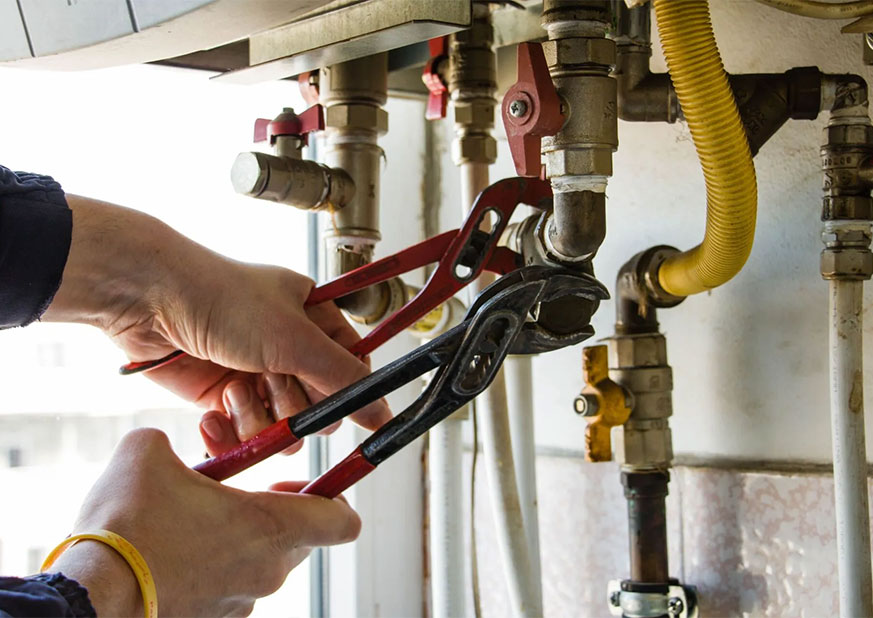
A solid HVAC system starts with proper pipe sizing, straight runs, and correctly torqued threads. When installers rush or skip best practices, weak spots appear from day one. Typical trouble follows three patterns:
- Over-tightened threads strain the pipe wall and can hairline‑crack in black iron after a few heating cycles.
- Unsupported long runs sag under their own weight, letting fittings twist as the furnace cycles on and off.
- Mismatched connectors—such as brass unions on steel pipe—set up galvanic reactions that eat metal.
Code calls for rigid pipe secured every six feet horizontally and every eight feet vertically. A simple strap or hanger costs little but stops vibration from traveling down the line. Ask your installer for a pressure test certificate (often 10 psi for 15 minutes). If pressure drops during that test, insist on re-torquing fittings and re-testing before you sign off. This early diligence adds decades to pipe life.
Thermal Expansion Contractions That Weaken Pipe Joints
When burners fire, metal gets hot fast; when the thermostat clicks off, it cools just as quickly. Steel expands roughly 0.6 mm per meter with a 100 °F jump. A 20-foot run may grow half an inch—enough to shift elbows and unions.
Constant expansion–contraction cycles:
- Loosen joint compound, letting tiny gas bubbles escape.
- Rub pipe threads against couplings, shaving protective coatings.
- Create micro‑gaps where moisture sneaks in and sparks corrosion.
Plumbers fight this movement with expansion loops—a gentle “U” bend that flexes instead of forcing fittings to take the load. Flexible CSST (corrugated stainless steel tubing) also survives movement better than rigid black pipe, provided it is bonded to ground to prevent arc damage. Periodic checks with a soapy water solution around joints during the start of each heating season can reveal pinhole leaks before they spread.
Corrosive Chemicals and Moisture Inside Line Surfaces
Gas itself does not rust iron, but water vapor and household chemicals surely do. Basements often host paint thinners, bleach, or swimming‑pool acid. Fumes latch onto moist pipe walls and start a chemical attack.
Warning signs include:
- Orange flaking rust or green deposits at low points.
- Dampness around pipes running through crawl spaces.
- A musty or acidic smell near the furnace.
To protect lines:
- Keep storage shelves at least two feet from pipes.
- Run a dehumidifier in summer to hold relative humidity below 50 %.
- Coat exposed sections with a pipe-approved rust-inhibiting paint.
When corrosion is advanced, replace the affected segment rather than patching. Remember, any wall loss thins the pipe and upsets gas pressure balance farther down the line.
Ground Shifts Vibrations Leading to Hidden Cracks
Homes settle. Earthquakes, road traffic, or even nearby construction send tremors through the slab, pressing against buried or slab-level gas pipes. Over time, movement concentrates at rigid elbows and union joints.
Because these spots are hidden, damage often goes unnoticed until:
- Pilot lights blow out repeatedly due to inconsistent gas flow.
- You hear a faint hiss near the furnace cabinet.
- Utility bills rise even though thermostat settings stay steady.
Protective steps include laying sleeved pipe where it exits concrete, installing seismic shut-off valves that halt flow during strong shaking, and verifying that outdoor meters sit on a stable pad. Annual inspections with an ultrasonic leak detector catch hairline cracks before they widen.
Aging Seals and Gaskets Losing Their Grip
Every threaded connection relies on pipe dope, PTFE tape, or rubber gaskets to keep gas inside. Heat cycles dry these materials, and chemical additives in natural gas can harden rubber over a decade.
Common failure spots:
- Union gaskets at the furnace inlet.
- Flexible appliance connectors using Ferrule seals.
- Flanged boiler manifolds with fiber gaskets.
Look for dark, oily stains around joints—an early clue of seepage. Replacing a $2 gasket during routine maintenance beats replacing a full manifold later. Choose gaskets rated for 350 °F and approved for natural gas (ASTM D2000 or better). Wipe threads clean, apply fresh sealing compound sparingly, and torque to the manufacturer’s spec—not an arm-wrenching guess.
Rodent Activities Creating Unexpected Puncture Holes Threats
Mice and rats chew nearly anything, especially when searching for a warm nesting spot near furnace chambers. Plastic jacket on CSST tubing and even soft copper lines for small boilers invite gnawing.
Signs of rodent damage:
- Fine metal shavings or yellow plastic bits on the floor.
- Tiny bite marks along pipe bends.
- Scurrying noises inside wall voids near vent runs.
Homeowners can:
- Seal foundation openings larger than a pencil with steel wool and mortar.
- Store pet food in airtight bins to remove temptation.
- Add metal conduit over exposed CSST within two feet of the floor.
If gnawed spots appear, replace the entire damaged length; patch couplings often shift under pressure and create new leaks.
Low Quality Materials Failing Under Daily Strain
Budget builds sometimes cut corners on pipe grade, opting for thin-wall imported steel or second-hand fittings. These items can crack along weld seams or strip threads after a few tightening cycles.
Red flags include:
- Pipe stamped with no ASTM or API rating.
- Elbows that magnet weakly—indicating mixed alloys.
- Threads that look rough or uneven.
Quality costs less long term: Schedule 40 black iron, stainless CSST from well-known brands, and fittings carrying a UPC symbol meet standards. When in doubt, ask for supplier invoices or product spec sheets. Proper materials retain full gas flow, resist impact, and coexist with other metals without rapid galvanic wear.
Conclusion: Keep Fuel Flowing Safely All Year
Gas pipe trouble often starts small—an overlooked hanger, a loose gasket, a chewed sleeve—but can end with costly downtime or safety risks. By understanding how poor installation, heat movement, corrosion, ground shifts, aging seals, rodent attacks, and sub‑par materials chip away at your piping, you gain the knowledge to spot early warning signs and call for help promptly. When repairs are needed, Scott’s Homecare Heating & Cooling stands ready with skilled technicians, quality replacement parts, and thorough leak testing to restore a steady fuel supply and keep your family warm and secure through every season.